

From the Illinois Craft Brewers Guild: A journey toward direct-to-consumer shipping for Illinois craft breweries
By Ray Stout
Executive director of the Illinois Craft Brewers Guild
[email protected]
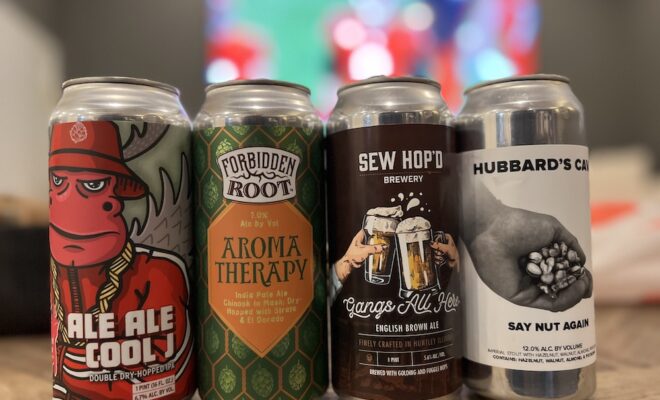
If we hopped in a time machine and headed back to 2011, it would be challenging to find a craft brewery in Illinois — particularly outside of Chicago. Tracking down an Illinois-brewed craft beer on a retail shelf would be nearly impossible.
In the early 2010s, Illinois had approximately 50 craft breweries; today that number has surpassed 300.
What led to this massive increase in craft breweries? Among other factors, like the rise in hyperlocal consumer spending, industry growth can be traced to a change in Illinois’ liquor laws that allowed breweries to sell their products directly to retailers, bars and restaurants. In the beer business, we call this self-distribution. Before 2011, those privileges were nonexistent in the state.
Why was self-distribution essential to the growth of the craft beer industry in Illinois? Two reasons: margins and access.
First, the profit margins on beer, especially for small, independent breweries, are incredibly slim. Self-distribution to retailers enabled craft-beer producers to operate and grow without the financial burden of an expensive third-party distribution contract. More importantly, self-distribution provided brewers with direct access to both the retail and hospitality industries to sell, market and merchandise their own products. This was a unique opportunity for Illinois brewers because, for the first time, they were directly responsible for the success or failure of their brands outside the four walls of their breweries.
While Illinois’ current self-distribution laws once represented an important step forward, they fail to meet the needs of today’s craft brewers. Currently, Illinois law sets strict limitations to the types of breweries that have self-distribution privileges, as well as the amount of beer they may self-distribute before requiring a partnership with a third-party distributor.
Illinois wineries have enjoyed direct-to-consumer shipping privileges for more than 15 years, proving that it can be done safely and responsibly with little to no negative impact on retailers.
While third-party distribution agreements are an important part of the craft-beer ecosystem, it leaves many small independent breweries on the outside looking in. Consider Scratch Brewing in Southern Illinois. This hyperlocal operation isn’t built for wide distribution or brewed for every taste. Their unusual mushroom and tree bark beers are packaged in large format, wine-style bottles, and their labor-intensive foraging and longtime commitment to local farmers means the cost per bottle is higher than average. They have had trouble finding and keeping distributor partners, who don’t understand their beer and find it difficult to sell in quantity. Oftentimes, distributors give preference to mainstream brands that produce volume and better compete on retail shelves.
The fact that Illinois laws force some craft breweries to contract with third-party distribution is antiquated and unnecessary. It creates an intentional power imbalance between local breweries and consolidated distribution corporations through the enforcement of what are called “franchise laws.”
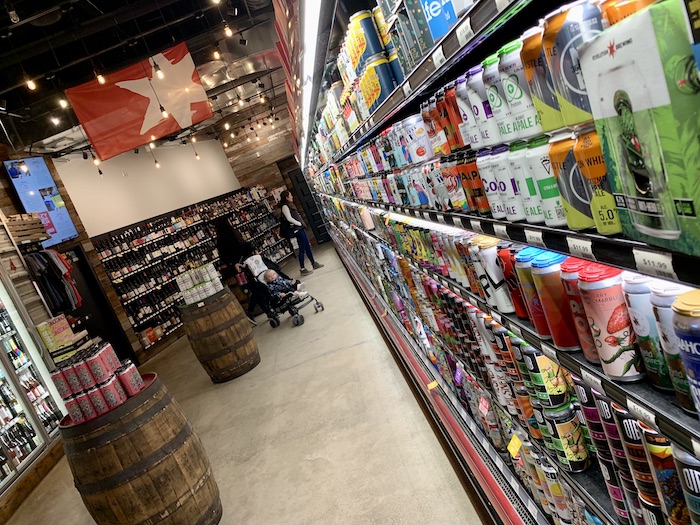
To understand why Illinois has franchise laws, let’s hop back into the time machine and visit the 1980s, when local craft beer was almost nonexistent and virtually all the beer sold in Illinois was imported from other states. At this time, every distributor in Illinois had just a handful of beer brands they could sell. If a large out-of-state brewery were to cut ties with a distributor, it would have surely been financially devastating for the Illinois distributor.
To protect Illinois distributors, lawmakers created a franchise law entitled the Beer Industry Fair Dealing Act (BIFDA), which remains active today. BIFDA requires that brewers enter distribution agreements with distributors to sell their products to retailers. The catch is that, because of the way the law was written, these contracts are nearly impossible to terminate.
The fact that Illinois laws force some craft breweries to contract with third-party distribution is antiquated and unnecessary.
Brewers who are locked into distribution contracts are forced to the sidelines while distributors make key business decisions about what beer to sell, where to sell it, when to sell it and how much to sell. Since they distribute multiple brands, they can play a key role in deciding what beer brands succeed or not. Brewers are left with little recourse if they are unhappy with the distributer’s performance.
A lot has changed since the 1980s. There has been an explosion in the number of craft breweries in the United States and here in Illinois. Concurrently, there has been immense retraction and consolidation of corporate distributors operating in the state. Still, BIFDA holds firm, creating a massive power imbalance as it protects distributors often at the expense of brewers, most of whom classify as small businesses.
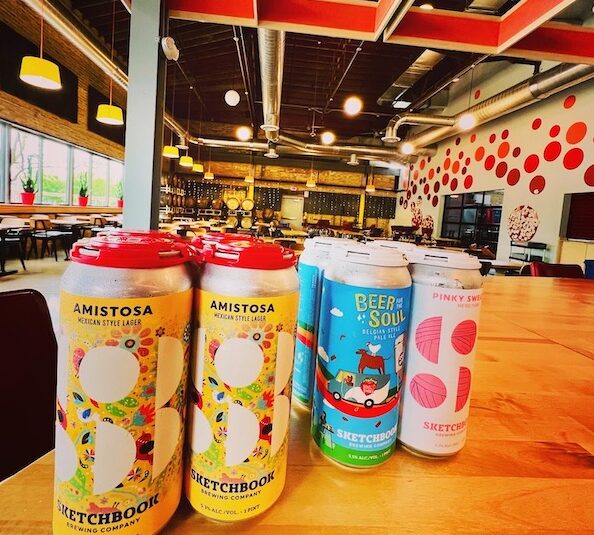
The consolidation of the distribution tier has raised red flags regarding market competition at the federal level. In February 2022, the United States Treasury Department issued a report on competition in the beer market. One key finding suggested that “while originally designed to prevent anticompetitive vertical integration where distribution is dominated by a few players, some state and federal laws may actually inhibit the growth and competitiveness of small producers.” Illinois breweries know this all too well.
So, how do we fix this problem? One way is through the legalization of direct-to-consumer (DtC) beer shipping in Illinois. DtC shipping will do for brewers in 2023 what self-distribution did in 2011, allowing craft brewers to restore their one-on-one relationships with customers. DtC shipping represents a natural step in the evolution of the craft beer industry, removing outdated regulations and helping breweries modernize and compete while giving consumers the variety they seek. Most importantly, it meets customers where they are. Today’s consumers prefer online shopping and home delivery. Craft beer can’t be left out of this reality.
Direct-to-consumer shipping is good for the economy, helping Illinois’ 300 craft breweries recover from the pandemic, stay competitive and grow their markets at their own pace and on their terms. Illinois wineries have enjoyed direct-to-consumer shipping privileges for more than 15 years, proving that it can be done safely and responsibly with little to no negative impact on retailers. The legislation would include safeguards so that shippers are licensed, taxes are paid and deliveries are not made to underage persons.
The Illinois Craft Brewers Guild is advocating for lawmakers to approve direct-to-consumer craft-beer shipping within Illinois, but we need your support.
Please click here to send a quick note to your legislator asking them to support the legalization of direct-to-consumer craft beer shipping in Illinois.











[…] Craft Brewer’s Guild is strongly calling for the bill to be passed and, in an article posted to its website, explains just how much it could benefit the brewing […]